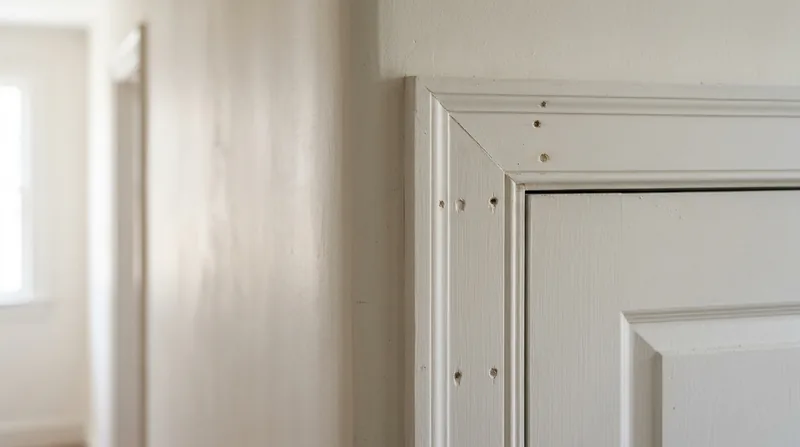




Finish & Trim Carpentry in Virginia Beach demands precision on homes that don't sit plumb. The mid-century beach cottages and Cape Cod bungalows lining the streets off the Oceanfront, the brick ranches and split-levels from the Navy-boom era across Great Neck and Kempsville, and the older Colonial homes around Thoroughgood all share one reality: decades of settlement, humidity, and coastal air movement have left their framing and walls out of square. A baseboard that runs true, crown molding that sits flush to an uneven ceiling, interior door casings that close tight, and custom shelving that looks built into the home rather than bolted to it separate a finish carpenter from a handyman. We scribe, fit, and finish so nothing shows once the paint goes on.
Why Finish & Trim Carpentry Matters in Virginia Beach's Older Homes
Virginia Beach's residential stock spans from beachfront homes elevated on pilings to working farmhouses in Pungo and Blackwater. Nearly all of these homes have settled, shifted, or twisted over time. Plumb walls are the exception, not the rule. When you install trim, hang doors, or build shelving on a wall that slopes or leans, a carpenter who doesn't account for that will leave gaps, binding, or misaligned joints that catch the eye every time you walk past. Finish carpentry done right is invisible. Done wrong, it's the first thing people notice.
- Scribe moldings and trim to fit against out-of-plumb walls so seams disappear under paint.
- Install crown molding with coped joints, not simple miters, so corners stay tight as wood moves with seasonal humidity.
- Hang interior doors plumb and level regardless of the framing behind them, so they close without binding.
- Build and install custom shelving and built-ins that look integrated into the home, not added on.
- Install baseboard, casing, and wainscoting with tight joints and clean lines that frame the room.
Attention to these details is what separates a finished room from one that looks half-done.
Key info: Virginia Beach homes built before 1980 rarely have square rooms. A 20-foot run of baseboard on a wall that rises 1/4 inch over that distance will show a visible step if it's cut to a single angle. Scribing it to the wall contour takes time, but the result is seamless.
For more on how structural movement affects interior finishes, see our guide to Framing & Structural Carpentry in Virginia Beach.
How We Approach Finish & Trim Carpentry in Virginia Beach
Every finish carpentry job starts with a site visit to understand the existing walls, doors, and openings. We measure plumb and level, identify out-of-square conditions, and plan the trim layout so the eye doesn't catch discontinuities. For crown molding, we cut coped joints on inside corners so the pieces fit together regardless of wall angle. For baseboard and casing, we scribe to the wall contour. For built-ins, we fit each shelf and frame to the actual dimensions of the space, not the nominal dimensions on the blueprint.
- Visit the site, measure plumb and level, and identify any out-of-square conditions before we order material.
- Select wood species and stain or paint finish that match the home's existing trim and architectural style.
- Cut and fit each piece to the actual wall and opening, using scribe techniques and coped joints where needed.
- Install trim with finish fasteners (brad nails or pocket screws) so no nail holes show.
- Sand, fill, and finish so the trim is ready for paint or stain.
The result is trim and shelving that look like they were built into the home, not installed on top of it.
Example: A homeowner in Thoroughgood wanted custom bookshelves in a 1950s Colonial with 8-foot ceilings and plaster walls that had settled unevenly over 70 years. We scribed the shelves to the wall contour, built the frame and shelves in the shop, and installed them so the top shelf was level and the back panel looked flush to the wall despite a 3/8-inch variation in plaster depth.
Related work often includes Crown Molding & Baseboard Installation and Custom Built-Ins & Shelving.
Finish & Trim Carpentry Methods and Techniques
| Approach | Description | Best for |
|---|---|---|
| Scribing | Contour trim or shelving to fit the actual wall profile using a scribe block and pencil, then cut and fit the piece to that profile. | Baseboard, casing, and shelving on out-of-plumb or wavy walls in older homes. |
| Coped Joints | Cut the profile of one piece of molding into the end of another so they interlock. More time-consuming than a simple miter, but joints stay tight as wood expands and contracts. | Inside corners of crown molding and baseboard where seasonal humidity movement is unavoidable. |
| Pocket Hole Joinery | Drill angled holes on the hidden face of shelves or frames, then drive screws through those holes to join pieces. Fasteners are hidden, and joints are rigid. | Built-in shelving, custom cabinets, and interior door frames where appearance and strength matter equally. |
| Brad Nails and Finish Nails | Use pneumatic brad nailers or finish nailers to drive small fasteners that leave minimal holes, then fill and sand those holes so they vanish under paint. | Attaching trim, casing, and molding to walls and frames where fasteners must be invisible. |
| Custom Miter Cuts | Cut trim at precise angles (not just 45 degrees) to account for walls that are out of square, so joints close tight and look clean. | Crown molding, baseboard, and casing on walls where standard 45-degree miters would leave visible gaps. |
Each method is chosen based on the specific wall condition, wood species, and finish requirement. The goal is always invisible joints and trim that looks built into the home.
Finish & Trim Carpentry Cost in Virginia Beach: What to Expect
Finish carpentry pricing depends on the scope of work, the complexity of the fit, and the material selected. A simple baseboard run on a plumb wall costs less than crown molding with coped joints on an out-of-square room. Custom built-in shelving requires more time than standard door casing. The best way to understand cost is to get a free estimate and discuss the specific conditions of your home.
Factors that affect cost include the linear footage of trim, the number of inside and outside corners, whether walls are plumb and square, the wood species and finish, and the level of detail (coped joints, scribing, custom profiles). Travel is included in our service area across Virginia Beach and surrounding communities. Most estimates are provided within 24 hours of a site visit. See our full pricing overview for typical starting points and ranges.
For a detailed discussion of your project and an accurate estimate, contact us at (757) 392-0128. We respond within 24 hours and there is no obligation to book.
What to Look for When Hiring a Finish & Trim Carpenter Near Virginia Beach
Finish carpentry is visible work. Every joint, every line, every gap will be noticed. When you hire a carpenter, look for someone who understands the specific conditions of Virginia Beach homes, who can explain how they will handle out-of-plumb walls and uneven surfaces, and who can show you examples of previous work. Ask about their approach to coping joints, scribing, and finish fastening. Request references from recent jobs, and call at least two. Confirm that they are fully insured and understand the scope of your project before you sign an agreement.
- Verify that the carpenter is fully insured and carries liability coverage for residential work.
- Ask for references from at least two recent finish carpentry projects and call them.
- Discuss how they will handle out-of-plumb walls, uneven surfaces, and tight corners specific to your home.
- Request a written estimate that breaks down labor, materials, and timeline.
- Confirm that they understand local permit requirements if the work involves structural changes or load-bearing walls.
- Ask about their approach to wood selection, stain or paint finish, and quality control before final payment.
A good finish carpenter will take time to understand your home's condition and explain how they will achieve a professional result. If a contractor rushes the estimate or avoids discussing how they will handle difficult fits, keep looking.
Ready to get started? Contact us for a free estimate and let's discuss your trim, shelving, or interior door project.
Finish & Trim Carpentry in Virginia Beach: Pricing Guide
| Service | Price | Details |
|---|---|---|
| Baseboard Installation | Starting at $550 | Linear footage of baseboard, wall condition (plumb or out-of-square), and finish selection determine cost |
| Crown Molding with Coped Joints | Starting at $750 | Coped inside corners, mitered outside corners, and wall contour scribing increase time and precision required |
| Custom Built-In Shelving or Cabinetry | Starting at $1,200 | Design complexity, number of shelves, wood species, finish, and integration with existing trim determine final cost |
| Interior Door Casing and Trim | Starting at $400 | Per door opening, including casing, jamb, and finish work; multiple openings and custom profiles increase cost |
| Large Remodel or Whole-Room Trim Package | On estimate | Scope combining multiple trim types, custom shelving, and finish work requires site visit and detailed proposal |
| Estimate and Travel | Free | No charge for site visit, estimate, or travel within Virginia Beach and surrounding service areas |
Indicative pricing, the exact cost depends on square footage, finish, and site access. Free personalized estimate within 24h at (757) 392-0128.


