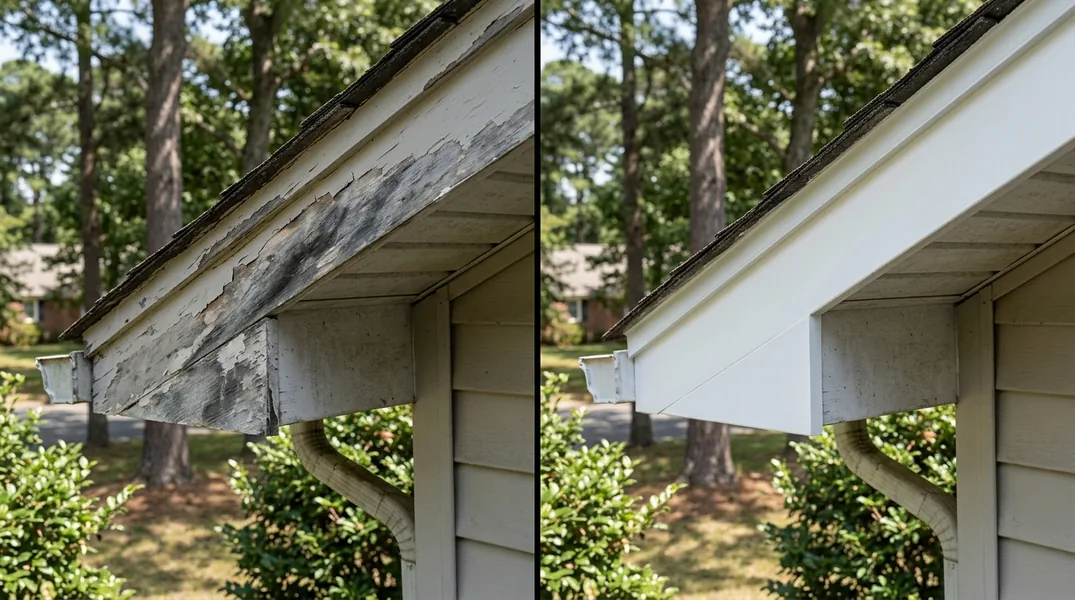
The Hidden Cost of Coastal Living: Why Elevated Homes Need Special Care
Owning a Sandbridge cottage on pilings or a Great Neck ranch-style home comes with undeniable charm, but it also comes with a responsibility that many first-time coastal homeowners don't anticipate. The salt air, moisture, and constant exposure to the elements create an environment where wood deteriorates faster than it would inland. Unlike traditional homes with concrete foundations, elevated properties have exposed support structures that are in direct contact with the elements year-round.
The pilings that support your cottage aren't just aesthetic features; they're critical load-bearing components. When wood on these structures begins to fail, the consequences can extend far beyond cosmetic damage. Wood Rot & Dry Rot Repair isn't a luxury service in Virginia Beach coastal homes, it's essential maintenance. The longer you wait to address rotting wood, the more expensive the repairs become, and the greater the risk to your family's safety.
Understanding Wood Rot in Coastal Environments
Wood rot in coastal areas develops differently than it does inland. The combination of salt spray, high humidity, and temperature fluctuations creates ideal conditions for fungal growth and wood degradation. Dry rot, despite its name, actually thrives in damp conditions and can spread rapidly through structural wood without showing obvious signs until significant damage has already occurred. In elevated homes where air circulates freely beneath the structure, moisture can accumulate in hidden pockets, creating perfect breeding grounds for decay.
The wood siding on your Sandbridge cottage is particularly vulnerable. Salt air accelerates the breakdown of protective coatings, and once the wood's surface is compromised, moisture penetrates deep into the grain. What might look like minor discoloration or soft spots on the surface could indicate extensive damage beneath. This is why regular inspection of all exposed wood, especially around windows, doors, and where siding meets the foundation, is critical for any homeowner in the area. If you've noticed soft wood, discoloration, or a musty smell around your home's exterior, it's time to call a professional for an assessment.
Beach Cottage Repair: Where to Start Your Inspection
Begin your inspection at ground level and work your way up. For elevated homes, this means examining the pilings and support beams first. Look for wood that feels soft when you press it with a screwdriver, areas where the wood grain appears to be separating, or any visible fungal growth. Pay special attention to joints and connections where water tends to collect. Check the undersides of decks and porches, where moisture can become trapped. Your wood siding repair should also be examined closely, especially where it meets trim, flashing, or other materials.
Don't overlook the interior of your home. Moisture damage often starts on the exterior but can migrate inward, affecting floor joists and subfloor systems. If you notice soft spots in your flooring, squeaking that wasn't there before, or any signs of water damage inside, these could indicate that structural problems have already begun. Floor Joist & Subfloor Repair may be necessary if moisture has penetrated deep into your home's support system. The key is catching these issues early, before they become expensive structural problems.
Coastal Home Maintenance Virginia Beach: A Seasonal Approach
Protecting your elevated home requires a year-round maintenance strategy tailored to coastal conditions. Spring is the ideal time to inspect for winter damage and address any issues before the humid summer months arrive. Summer brings intense sun and salt spray, making this the season to check protective coatings and ensure proper drainage around your property. Fall requires clearing debris from gutters and checking that water is flowing away from your structure. Winter, while milder in Virginia Beach than inland areas, still presents challenges with moisture and occasional freeze-thaw cycles.
Beyond seasonal inspections, establish a maintenance routine that includes cleaning gutters regularly, ensuring downspouts direct water away from your foundation and pilings, and maintaining proper ventilation in crawl spaces and under elevated structures. Repainting or resealing wood siding every few years is essential in coastal environments where UV exposure and salt air degrade protective finishes quickly. If you're uncertain about what maintenance tasks your specific property needs, Virginia Beach Carpentry can help you develop a customized plan during a free estimate consultation.
When Damage Requires Professional Intervention
While regular maintenance can prevent many problems, some issues require professional expertise. If you discover wood that's soft, spongy, or crumbling, or if you notice signs of Termite Damage Repair in addition to rot, the situation has likely progressed beyond DIY solutions. Structural components like pilings, beams, and floor joists should never be repaired by anyone without proper training and experience. Improper repairs can compromise the safety of your entire home and create liability issues.
If your inspection reveals that supporting beams or pilings are affected, Beam Replacement & Load-Bearing Wall Removal may be necessary. This is complex work that requires proper permits, engineering calculations, and temporary support systems to ensure safety during repairs. The cost of professional intervention is significantly less than the cost of structural failure or the liability associated with a home that isn't safe to occupy. Virginia Beach Carpentry specializes in these critical repairs and can evaluate your situation thoroughly.
Planning Your Budget for Coastal Home Repairs
Understanding the potential costs involved in coastal home maintenance helps you plan effectively and avoid financial surprises. Minor repairs to wood siding or trim might cost a few hundred dollars, while more extensive structural work can run into thousands. The good news is that preventive maintenance is significantly cheaper than emergency repairs. A small area of rot caught early might cost $500 to $1,500 to repair, while the same problem left untreated for a year or two could require $5,000 to $15,000 in repairs or more if structural components are involved.
When evaluating pricing for repairs, remember that the cheapest quote isn't always the best value. You want a contractor who will address the root cause of the problem, not just patch the visible damage. Virginia Beach Carpentry provides transparent estimates that explain exactly what work is needed and why. If you're concerned about costs or want to understand your options, call (757) 392-0128 or request a free estimate to discuss your specific situation with an experienced professional.
Looking for a professional carpentry contractor in Virginia Beach? Virginia Beach Carpentry responds fast for all your carpentry needs.
Get a Free QuoteOur services: Wood Rot & Dry Rot Repair · Termite Damage Repair · Floor Joist & Subfloor Repair