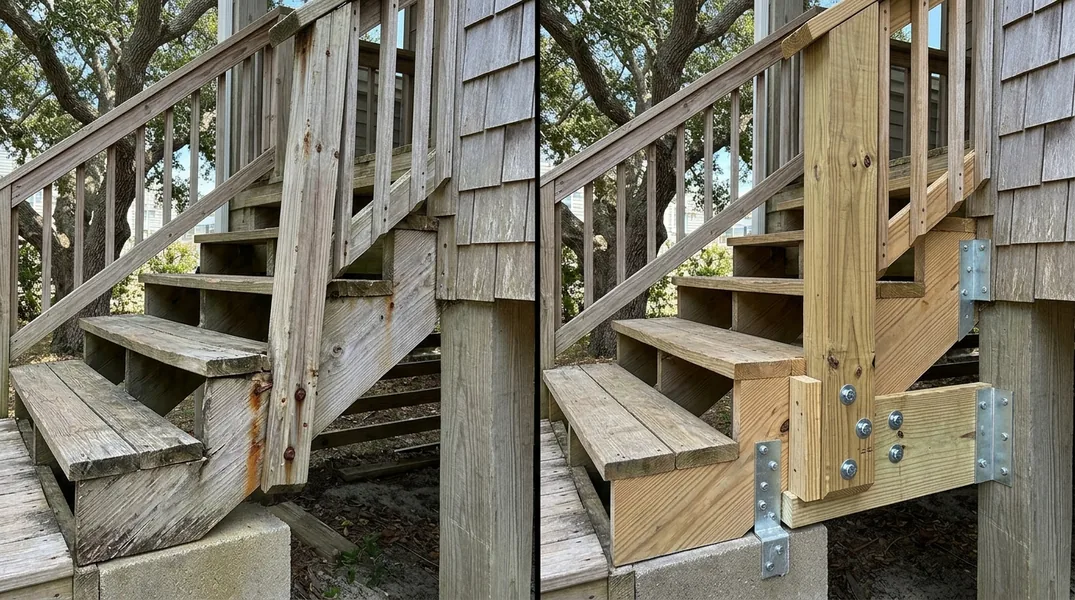
The Sandy Soil Problem: Why Virginia Beach Homes Settle Differently
If you own a home in Virginia Beach, you've probably noticed something odd: doors that won't close properly, floors that slope toward one corner, or cracks that appear and disappear with the seasons. These aren't signs of poor construction or inevitable home decay. Instead, they're the direct result of living on sandy coastal soil that behaves very differently than the clay and compacted earth found inland.
The Tidewater region, where Virginia Beach sits, was built on sediment deposited by ancient rivers and ocean currents. This sandy, sometimes silty soil has excellent drainage, which homeowners often celebrate during heavy rains. But that same drainage characteristic means the soil compacts and shifts with moisture content. When it rains heavily, water moves through the sand quickly. When it dries out during summer months, the soil shrinks. This constant cycle of expansion and contraction puts pressure on your home's foundation and structural support system in ways that homeowners in other regions rarely experience.
How Seasonal Moisture Changes Cause Doors to Stick
One of the most common complaints we hear at Virginia Beach Carpentry is about sticking doors in house situations that seem to worsen in summer or after wet winters. The culprit is almost always foundation movement caused by soil moisture fluctuations. When sandy soil dries out, it can settle unevenly. One corner of your home might settle a quarter inch more than another, which is enough to throw door frames out of square.
Door frames are built to very tight tolerances. A frame that was perfectly square when your home was built might shift just enough that the door rubs against the frame at the top or bottom. You'll notice the problem most in summer, when soil has dried significantly, or after extended dry periods. The door won't close properly without force, or it swings open on its own because the frame has tilted slightly. Some homeowners try planing the door or adjusting hinges, but if the underlying cause is foundation settlement, those fixes are temporary at best. The real solution requires addressing the soil movement itself, which often means installing or adjusting foundation support systems.
Uneven Floors and House Settling: What's Normal and What Isn't
Walking across a floor that feels like it's tilting toward one side is unsettling, literally and figuratively. An uneven floor repair job often begins with a simple question: how much slope is actually there? Homes in coastal Virginia do settle, and some settling is normal. A slope of less than one-eighth inch per ten feet of floor is generally considered acceptable by building codes and won't cause doors or cabinets to visibly malfunction. But anything beyond that suggests active or recent foundation movement that deserves attention.
When sandy soil shifts unevenly, different parts of your foundation settle at different rates. If the front of your home is built on deeper, more compacted sand while the back sits on newer fill, the back might settle more. This creates the sloping floor effect. Over months or years, you might also notice that house settling has caused cracks in drywall, especially at the corners of windows and doors. The problem is compounded if your home has a crawl space rather than a full basement, because the wooden support beams and joists are more exposed to moisture and pest damage. If you're experiencing significant floor slope, Floor Joist & Subfloor Repair may be necessary to stabilize the structure and prevent further settling.
Wood Rot and Moisture: The Hidden Consequence of Coastal Soil Movement
Foundation settlement and soil movement don't just cause cosmetic problems like sticking doors and sloping floors. They create conditions that lead to much more serious structural damage. When a foundation shifts, it can crack, and those cracks allow water to seep into crawl spaces and basements. In the humid coastal climate of Virginia Beach, that moisture doesn't evaporate quickly. Instead, it sits against wooden support beams, joists, and sill plates, creating the perfect environment for wood rot to develop.
Wood Rot & Dry Rot Repair is one of the most common services we perform, and in many cases, it traces back to foundation issues caused by soil movement. The wood becomes soft and spongy, losing its structural integrity. In severe cases, support beams fail, and the floor above sags further. This is why addressing foundation settlement early is so important. You can prevent expensive wood rot repair by stabilizing the foundation before moisture damage takes hold.
When to Call a Professional: Recognizing Signs of Serious Foundation Problems
Not every sticking door or slightly uneven floor requires professional intervention, but certain warning signs should prompt you to call Virginia Beach Carpentry for a free estimate. If you notice multiple doors sticking at the same time, or if floor slope is visible to the naked eye, foundation movement is likely occurring. Other red flags include new cracks in exterior brick or mortar, gaps between walls and ceilings, or windows that suddenly won't open smoothly. These symptoms suggest that your home is settling faster than normal or unevenly, and the problem will only worsen without intervention.
A professional inspection can determine whether you're dealing with normal seasonal movement or a structural issue that needs repair. We'll assess your foundation, check for water intrusion, and look for signs of wood rot or pest damage. If we find problems, we can discuss solutions ranging from foundation underpinning to Beam Replacement & Load-Bearing Wall Removal, depending on the severity. Don't wait until doors won't close and floors are noticeably sloped. Early intervention is always more affordable and less disruptive than waiting for major structural failure.
Protecting Your Home: Drainage, Maintenance, and Long-Term Solutions
The best defense against foundation problems caused by sandy soil movement is controlling moisture around your home's perimeter. Make sure gutters and downspouts direct water at least four to six feet away from the foundation. Grade the soil so water slopes away from the house rather than pooling against the foundation. In a coastal climate like Virginia Beach, proper drainage is as important as the foundation itself.
Regular inspections also help catch problems early. Walk around your home's exterior twice a year, looking for new cracks, signs of water damage, or areas where soil has settled away from the foundation. Inside, pay attention to doors and floors. If you notice changes, document them and reach out to Virginia Beach Carpentry at (757) 392-0128 to discuss what you're seeing. We can help you understand whether the changes are normal seasonal movement or signs of a more serious problem. For questions about pricing for foundation assessments or repairs, contact us today for a consultation. Taking action now can save you thousands in structural repairs down the road.
Looking for a professional carpentry contractor in Virginia Beach? Virginia Beach Carpentry responds fast for all your carpentry needs.
Get a Free QuoteOur services: Wood Rot & Dry Rot Repair · Termite Damage Repair · Floor Joist & Subfloor Repair